Bisphenol A (Diphenylolpropane) About
Bisphenol A is a chemical compound primarily used in the manufacturing of various plastics. It is a colourless solid which is soluble in most common organic solvents, but has very poor solubility in water.High Purity and PerformanceBisphenol A offers minimum 99% purity, ensuring reliable performance in demanding industrial applications. Its superior thermal stability and electrical insulation properties make it a preferred choice for producing high-quality polycarbonate plastics and epoxy resins used in electronics, automotive, and construction sectors.
Safe Handling and StorageThe product is not classified as hazardous for transport and remains stable under normal storage conditions. It should be kept in tightly closed containers in cool, dry, well-ventilated areas, away from strong oxidizers. With a two-year shelf life, Bisphenol A maintains its integrity when managed under recommended guidelines.
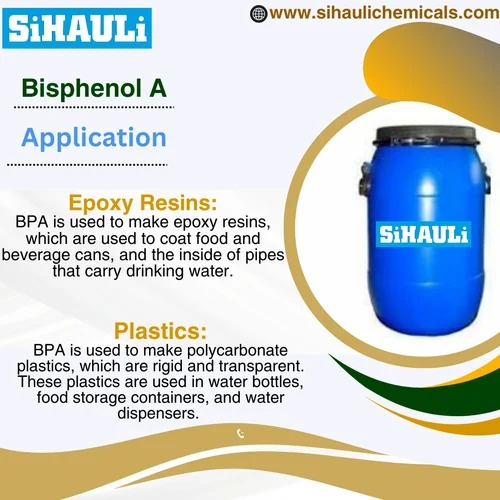
Versatility in Industrial ApplicationsBisphenol A serves as a vital monomer for engineering plastics, flame retardants, adhesives, and coatings. Its compatibility with phenol and acetone in chemical processes allows for broad flexibility in manufacturing. Standard packaging includes 25 kg bags or drums, with customization available, ensuring suitability for various supply and production needs.
FAQ's of Bisphenol A (Diphenylolpropane):
Q: How should Bisphenol A (BPA) be safely stored to maintain its quality?
A: Bisphenol A should be stored in tightly closed containers in a cool, dry, and well-ventilated area, away from strong oxidizing agents. This preserves its stability and extends its shelf life to two years under recommended storage conditions.
Q: What are the main industrial usages of Bisphenol A?
A: The primary uses of Bisphenol A include serving as a monomer in the production of polycarbonate plastics and epoxy resins, as well as being utilized in flame retardants, adhesives, and coatings, making it essential in multiple manufacturing sectors.
Q: When is Bisphenol A preferred in production processes?
A: Bisphenol A is chosen when high thermal stability, good electrical insulation, and chemical reactivity with phenol or acetone are required, such as during the production of engineering plastics and advanced resins.
Q: Where is Bisphenol A commonly applied in industry?
A: Bisphenol A is widely used in the electronics, automotive, construction, and packaging industries due to its role in creating durable plastics and versatile resins.
Q: What are the benefits of using Bisphenol A in manufacturing?
A: Benefits include its high purity, excellent thermal and electrical properties, and compatibility with common solvents, enabling the production of robust, reliable materials with diverse end-use applications.
Q: How does Bisphenol A interact with other chemicals during processing?
A: Bisphenol A reacts with phenol and acetone, among other chemicals, during polymerization to form compounds such as polycarbonate plastics and epoxy resins. Caution should be taken to avoid reactions with strong oxidizers.





 Send Inquiry

