SIHAULI CHEMICALS PVT. LTD.
GST : 27ABICS7764B1Z3

call images

Call us

08045803089

Camphene (2, 2-Dimethyl-3-Methanylidenebicyclo

Camphene (2, 2-Dimethyl-3-Methanylidenebicyclo

Camphene (2, 2-Dimethyl-3-Methanylidenebicyclo Specification

  • Melting Point
  • 51-52C
  • Molecular Weight
  • 136.23 g/mol
  • Shape
  • Crystalline or solid
  • Solubility
  • Insoluble in water; soluble in ethanol, ether, chloroform, and organic solvents
  • Molecular Formula
  • C10H16
  • Refractive Rate
  • 1.4540
  • Taste
  • Camphor-like
  • Boiling point
  • 160-162C
  • Other Names
  • 2,2-Dimethyl-3-methanylidenebicyclo[2.2.1]heptane; bicyclo(2,2,1)heptane, 2,2-dimethyl-3-methylene-; Isocamphene
  • Structural Formula
  • C10H16 (with bicyclo[2.2.1]heptane core, 2,2-dimethyl, 3-methylene group)
  • Smell
  • Characteristic, pungent, camphoraceous odor
  • Poisonous
  • Yes
  • Form
  • Solid, crystalline powder or flakes
  • Purity
  • >95%
  • HS Code
  • 2905.20
  • Density
  • 0.855 Gram per cubic centimeter(g/cm3)
  • Ph Level
  • Neutral
  • Storage
  • Store in a cool, dry, well-ventilated place away from ignition sources and strong oxidizers
  • Classification
  • Organic Compound, Terpene
  • Chemical Name
  • Camphene (2,2-Dimethyl-3-methanylidenebicyclo[2.2.1]heptane)
  • CAS No
  • 79-92-5
  • EINECS No
  • 201-234-8
  • Grade
  • Technical, Perfume grade
  • Standard
  • Industrial, Perfume/Food grade available
  • Type
  • Terpene Hydrocarbon
  • Usage
  • Industrial, Perfumery, Flavors, Insecticides
  • Main Material
  • Camphene
  • Application
  • Used in the manufacture of fragrances, flavors, and as a component in turpentine; also used in insecticides and as a plasticizer
  • Stability
  • Stable under normal storage conditions
  • Hazard Statements
  • Irritant to eyes, skin, and respiratory system in concentrated form
  • Compatibility
  • Incompatible with strong oxidizing agents
  • Flash Point
  • 50°C (closed cup)
  • Shelf Life
  • 2 years under optimal storage conditions
  • Transport
  • Not regulated as a dangerous good for transport
  • Appearance
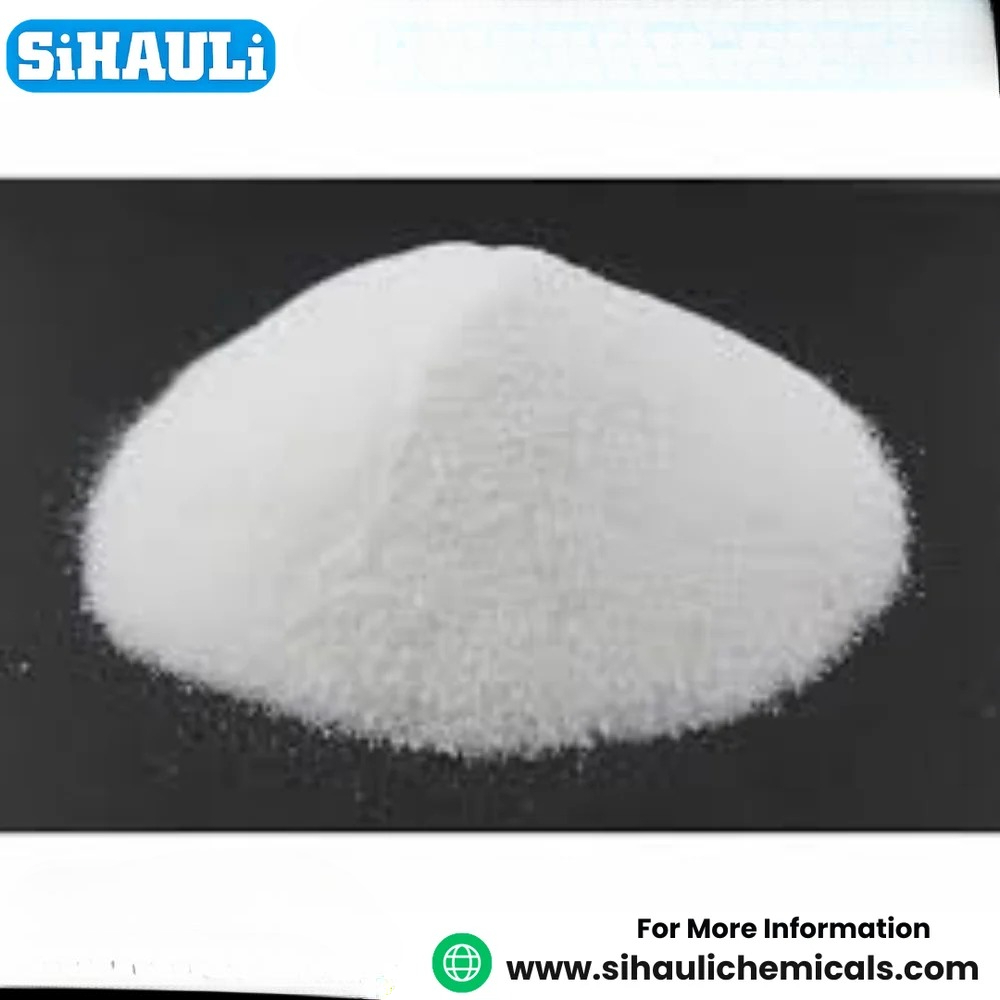
  • White crystalline solid
  • Packing
  • Packed in HDPE drums, containers, or as specified
  • Autoignition Temperature
  • 385°C
  • Vapor Pressure
  • 1.5 mmHg at 25°C
  • Regulatory Information
  • Listed in TSCA, REACH registered
 

Camphene (2, 2-Dimethyl-3-Methanylidenebicyclo Trade Information

  • Minimum Order Quantity
  • 50 Kilograms
  • Payment Terms
  • Cash in Advance (CID)
  • Supply Ability
  • 200 Kilograms Per Week
  • Delivery Time
  • 1 Week
  • Sample Policy
  • Contact us for information regarding our sample policy
  • Main Export Market(s)
  • Asia
  • Main Domestic Market
  • All India
 

About Camphene (2, 2-Dimethyl-3-Methanylidenebicyclo

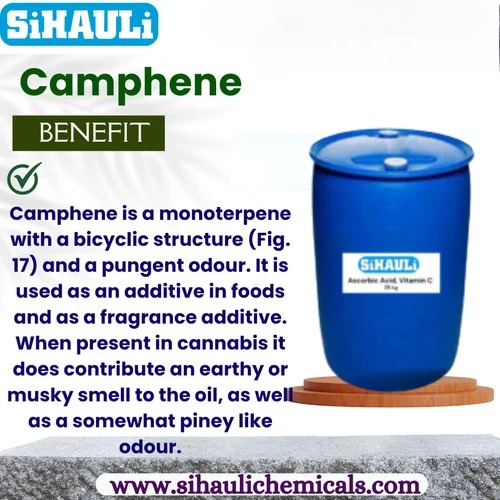
Camphene is a monoterpene with a bicyclic structure (Fig. 17) and a pungent odour. It is used as an additive in foods and as a fragrance additive. When present in cannabis it does contribute an earthy or musky smell to the oil, as well as a somewhat piney like odour.

Applications Across Industries

Camphene serves several industrial purposes, including as a core ingredient in fragrances and flavors, a component of turpentine, insecticides, and as a plasticizer. Due to its camphor-like aroma and stability, it is valued by the perfume, food flavoring, and chemical manufacturing sectors. Its adaptability also contributes to its role in both technical and perfumery grade applications.


Safe Storage and Handling

Store camphene in a cool, dry, well-ventilated area, away from ignition sources and strong oxidizers. The product is generally stable and safe if basic storage protocols are respected, and its HDPE packaging ensures containment. Always handle with appropriate personal protective equipment to avoid irritation, as undiluted camphene can affect skin, eyes, and the respiratory tract.

FAQ's of Camphene (2, 2-Dimethyl-3-Methanylidenebicyclo:


Q: How should camphene be stored to preserve its quality and safety?

A: Camphene should be stored in a cool, dry, well-ventilated area, away from heat, open flames, and strong oxidizing agents. Proper storage in sealed HDPE drums or appropriate containers helps ensure its two-year shelf life and maintains product integrity.

Q: What are the main industrial applications of camphene?

A: Camphene is used in the manufacture of fragrances, flavors, as a component in turpentine, insecticides, and serves as a plasticizer. Its distinctive camphoraceous aroma also makes it desirable in perfumery and flavoring industries.

Q: When is camphene considered hazardous, and what precautions are necessary during use?

A: Camphene is primarily hazardous in concentrated form, where it can irritate skin, eyes, and the respiratory system. When working with camphene, use personal protective equipment and ensure adequate ventilation to avoid inhalation or direct contact.

Q: Where is camphene commonly produced and supplied?

A: Camphene is manufactured, exported, and supplied by companies in India, with various grades available for industrial, perfumery, and food applications. It is distributed worldwide according to customer requirements.

Q: What benefits does camphene offer for manufacturers and end-users?

A: Camphene provides a versatile, stable terpene that enhances the scent and stability of products. Its solubility in organic solvents and compatibility with other fragrance ingredients make it highly beneficial across the fragrance, flavor, and insecticide industries.

Q: Which process is followed for camphene packaging and transport?

A: Camphene is packed in HDPE drums or other sealed containers as specified by the customer. It is not regulated as a dangerous good for transport and complies with TSCA and REACH requirements.

Q: How is camphene used safely in industrial formulations?

A: Camphene should be diluted and incorporated into formulations under controlled conditions, employing appropriate ventilation and protective measures to minimize exposure and irritation risks.

Tell us about your requirement
product

Price:

Quantity
Select Unit

  • 50
  • 100
  • 200
  • 250
  • 500
  • 1000+
Additional detail
Mobile number

Email

More Products in Industrial Chemicals Category

Ginol 1618 TA Manufacturers, Suppliers, Exporters From Vasai Mumbai India

Ginol 1618 TA Manufacturers, Suppliers, Exporters From Vasai Mumbai India

Price 165 INR / Kilograms

Minimum Order Quantity : 50 Kilograms

Standard : Complies with IP, BP, USP standards

Type : Nonionic, fatty alcohol blend

Solubility : Insoluble in water, soluble in alcohol and organic solvents

CAS No : 67762270

D Galactose (D-(+)-galactose)

D Galactose (D-(+)-galactose)

Price 3500 INR / Kilograms

Minimum Order Quantity : 50 Kilograms

Standard : Meets analytical and laboratory requirements

Type : Monosaccharide sugar

Solubility : Soluble in water, slightly soluble in ethanol

CAS No : 59234

4-Aminoantipyrine Chemical Manufacturers, Suppliers, Exporters From Vasai

4-Aminoantipyrine Chemical Manufacturers, Suppliers, Exporters From Vasai

Price 225 INR / Kilograms

Minimum Order Quantity : 50 Kilograms

Standard : Meets analytical reagent specifications

Type : Chemical compound

Solubility : Soluble in water, ethanol and chloroform

CAS No : 83078

Polyquaternium 7 (Lotions)

Polyquaternium 7 (Lotions)

Price 193 INR / Kilograms

Minimum Order Quantity : 25 Kilograms

Standard : Manufacturers standard

Type : Polymeric quaternary ammonium salt

Solubility : Soluble in water

CAS No : 26590056


Back to top