SIHAULI CHEMICALS PVT. LTD.
GST : 27ABICS7764B1Z3

call images

Call us

08045803089

Cetyl Palmitate USP/EP Grade

Cetyl Palmitate USP/EP Grade

Cetyl Palmitate USP/EP Grade Specification

  • Other Names
  • Hexadecyl hexadecanoate; Palmityl palmitate
  • Taste
  • Tasteless
  • Form
  • Solid
  • Storage
  • Store in tightly sealed container, in a cool, dry place
  • Shape
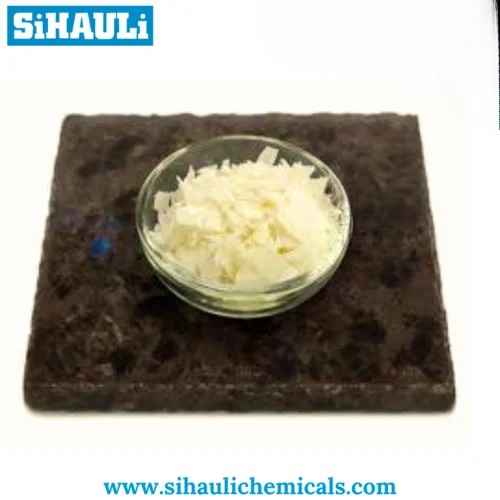
  • Flakes or Powder
  • Purity
  • >99%
  • Melting Point
  • 50-54C
  • Boiling point
  • >300C
  • Molecular Weight
  • 480.85 g/mol
  • Ph Level
  • Neutral
  • HS Code
  • 29159090
  • Smell
  • Characteristic, mild
  • Structural Formula
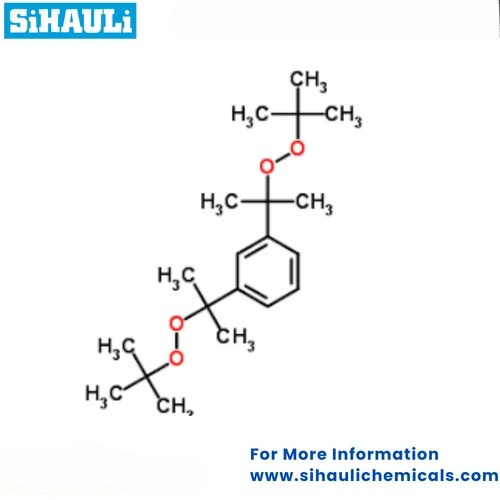
  • CH3(CH2)14COO(CH2)15CH3
  • Poisonous
  • Yes
  • Refractive Rate
  • n20/D 1.442
  • Density
  • 0.81 Gram per cubic centimeter(g/cm3)
  • Molecular Formula
  • C32H64O2
  • Solubility
  • Insoluble in water, soluble in alcohol, ether, chloroform and oils
  • Classification
  • Wax Ester
  • Chemical Name
  • Cetyl Palmitate
  • CAS No
  • 540-10-3
  • EINECS No
  • 203-982-0
  • Grade
  • USP/EP Grade
  • Standard
  • USP/EP
  • Type
  • Wax Ester
  • Usage
  • Industrial, Laboratory, Cosmetic raw material
  • Main Material
  • Cetyl Alcohol and Palmitic Acid
  • Application
  • Pharmaceuticals, Personal Care, Cosmetics, Ointment Base, Emulsifier, Lubricant, Skin Conditioning Agent
  • Packaging
  • 25 kg bags or drums
  • Shelf Life
  • 24 months from manufacturing date
  • Appearance
  • White or almost white waxy solid
  • Stability
  • Stable under recommended storage conditions
 

Cetyl Palmitate USP/EP Grade Trade Information

  • Minimum Order Quantity
  • 50 Kilograms
  • Payment Terms
  • Cash in Advance (CID)
  • Supply Ability
  • 200 Kilograms Per Week
  • Delivery Time
  • 1 Week
  • Sample Policy
  • Contact us for information regarding our sample policy
  • Main Export Market(s)
  • Asia
  • Main Domestic Market
  • All India
 

About Cetyl Palmitate USP/EP Grade

Cetyl palmitate is used as a thickener and emollient in cosmetics. It is safe for skin and hair when used in lower concentrations of about 2.5%. However, prolonged exposure or high concentrations of Cetyl Palmitate may exacerbate skin conditions like acne or dermatitis in sensitive individuals. 

Applications Across Industries

Cetyl Palmitate USP/EP Grade serves a vital role in pharmaceuticals, personal care products, and cosmetics. Its remarkable emollient and emulsifying properties make it ideal for formulations like ointments, creams, lotions, and conditioners, contributing to texture and stability while enhancing skin-feel and spreadability.


Superior Stability and Storage

This material boasts a melting point of 50-54C and remains physically and chemically stable for up to 24 months if stored in tightly sealed containers in a cool, dry environment. Such stability ensures consistent performance and long-term usability in industrial and laboratory applications.

FAQ's of Cetyl Palmitate USP/EP Grade:


Q: How should Cetyl Palmitate USP/EP Grade be stored to ensure maximum shelf life?

A: Cetyl Palmitate should be kept in a tightly sealed container and stored in a cool, dry place. Proper storage preserves its physical and chemical stability, allowing it to maintain its quality for up to 24 months from the date of manufacturing.

Q: What are the primary uses of Cetyl Palmitate in the cosmetic and pharmaceutical industries?

A: In cosmetics and pharmaceuticals, Cetyl Palmitate is primarily used as a skin conditioning agent, emulsifier, ointment base, and lubricant. It helps improve product texture, hydration, and spreadability in creams, lotions, ointments, and conditioners.

Q: When is Cetyl Palmitate typically incorporated during product manufacturing?

A: Cetyl Palmitate is usually added during the oil phase of formulation processes, where its waxy nature supports emulsification and contributes to the final product's consistency and performance.

Q: Where is Cetyl Palmitate sourced from and who can supply it?

A: Cetyl Palmitate can be sourced from exporters, importers, manufacturers, and suppliers in India who meet USP/EP standards. It is available globally, supplied in 25 kg bags or drums to suit various industrial and laboratory needs.

Q: What benefits does Cetyl Palmitate offer as an emulsifier and skin conditioning agent?

A: As an emulsifier, Cetyl Palmitate enhances the stability and homogeneity of emulsions such as creams and lotions. Its emollient properties soften and smooth the skin, making products pleasant to use and effective for moisturization.

Q: What is the process for using Cetyl Palmitate in formulations?

A: Cetyl Palmitate is typically melted (melting point: 50-54C) and blended with other oil-phase ingredients to create emulsions or ointment bases. Its solubility in oils, alcohol, and ethers allows easy incorporation into diverse formulations.

Tell us about your requirement
product

Price:

Quantity
Select Unit

  • 50
  • 100
  • 200
  • 250
  • 500
  • 1000+
Additional detail
Mobile number

Email

More Products in Industrial Chemicals Category

Furanol Pineapple ketone Alletone

Furanol Pineapple ketone Alletone

Price 273 INR / Kilograms

Minimum Order Quantity : 50 Kilograms

Ph Level : Neutral

Melting Point : 8084C

Main Material : Furaneol derivative

Molecular Weight : 128.13 g/mol

Chloroform (Trichloromethane,Methyl Trichloride))

Chloroform (Trichloromethane,Methyl Trichloride))

Minimum Order Quantity : 50 Kilograms

Ph Level : Neutral

Melting Point : 63 C

Main Material : Chloroform (Trichloromethane)

Molecular Weight : 119.38 g/mol

Ginol 18 Manufacturers, Suppliers, Exporters From Vasai Mumbai India

Ginol 18 Manufacturers, Suppliers, Exporters From Vasai Mumbai India

Price 165 INR / Kilograms

Minimum Order Quantity : 50 Kilograms

Ph Level : Neutral

Melting Point : 55 58C

Main Material : Stearyl Alcohol (Octadecanol)

Molecular Weight : 270.50 g/mol

G.M.S - SE

G.M.S - SE

Price 361 INR / Kilograms

Minimum Order Quantity : 25 Kilograms

Ph Level : 5.57.5 (1% solution)

Melting Point : 55 60C

Main Material : Glycerol and Stearic Acid

Molecular Weight : 358.56 g/mol


Back to top