SIHAULI CHEMICALS PVT. LTD.
GST : 27ABICS7764B1Z3

call images

Call us

08045803089

Diethylenetriamine (Aminoethylethanediamine, Dimethyl hexanedioate)

Diethylenetriamine (Aminoethylethanediamine, Dimethyl hexanedioate)

Diethylenetriamine (Aminoethylethanediamine, Dimethyl hexanedioate) Specification

  • Molecular Formula
  • C4H13N3
  • Shape
  • Liquid
  • Ph Level
  • Alkaline
  • Refractive Rate
  • n20/D 1.4836
  • HS Code
  • 29212990
  • Form
  • Clear liquid
  • Smell
  • Ammonia-like
  • Purity
  • 99%
  • Structural Formula
  • H2NCH2CH2NHCH2CH2NH2
  • Poisonous
  • Yes
  • Molecular Weight
  • 103.17 g/mol
  • Taste
  • Bitter (not for consumption)
  • Solubility
  • Miscible with water, alcohol, and ether
  • Melting Point
  • -36 C
  • Boiling point
  • 207 C
  • Storage
  • Store in a cool, dry, and well-ventilated place, tightly closed
  • Other Names
  • Aminoethylethanediamine, DETA
  • Density
  • 0.954 Gram per cubic centimeter(g/cm3)
  • Classification
  • Organic Chemical, Corrosive
  • Chemical Name
  • Diethylenetriamine
  • CAS No
  • 111-40-0
  • EINECS No
  • 203-865-4
  • Grade
  • Industrial Grade
  • Standard
  • Company/industry standard
  • Type
  • Aliphatic polyamine
  • Usage
  • Industrial, research, and chemical synthesis
  • Main Material
  • Diethylenetriamine
  • Application
  • Used as an intermediate in organic synthesis, manufacture of chelating agents, corrosion inhibitors, epoxy curing agents, fuel additives, surfactants, and textile chemicals
  • Hazard Statement
  • Corrosive, harmful if inhaled or swallowed, causes burns
  • Appearance
  • Colorless to pale yellow transparent liquid
  • Flash Point
  • 93 °C (closed cup)
  • Vapor Pressure
  • 0.31 mmHg at 20°C
  • Viscosity
  • 3.11 mPa·s at 20°C
  • Regulatory Information
  • Class 8 (Corrosive), UN 2079
  • Autoignition Temperature
  • 385 °C
  • Environmental Hazards
  • Harmful to aquatic organisms, avoid release to environment
  • Water Reactivity
  • Not reactive
  • Packaging
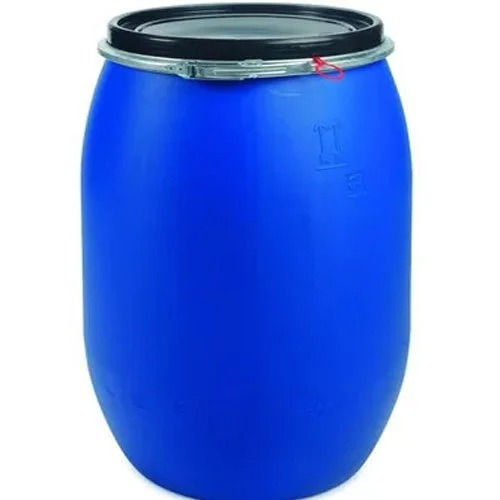
  • Packed in steel drums or ISO tanks
  • Surface Tension
  • 46.1 mN/m at 20°C
  • Shelf Life
  • 12 months under recommended storage conditions
 

Diethylenetriamine (Aminoethylethanediamine, Dimethyl hexanedioate) Trade Information

  • Minimum Order Quantity
  • 50 Kilograms
  • Payment Terms
  • Cash in Advance (CID)
  • Supply Ability
  • 100 Kilograms Per Week
  • Delivery Time
  • 1 Week
  • Sample Policy
  • Contact us for information regarding our sample policy
  • Main Export Market(s)
  • Asia
 

About Diethylenetriamine (Aminoethylethanediamine, Dimethyl hexanedioate)

Diethylenetriamine is an analogue of diethylene glycol. It has similar chemical behavior as ethylene diamine and has similar uses. It is a weak base and its aqueous solution is alkaline. It is used in oil industry, as a solvent for sulfur and extraction of acid gas.

Key Properties and Specifications

Diethylenetriamine is a clear, bitter-tasting liquid with a distinct ammonia-like smell. It has a flash point of 93C, autoignition temperature of 385C, and a boiling point of 207C. Its viscosity and surface tension at 20C are 3.11 mPas and 46.1 mN/m, respectively. With a pH level that is alkaline and a density of 0.954 g/cm3, it is characterized by good miscibility with water and common solvents.


Applications and Usage

DETA serves as a vital intermediate in the chemical industry, facilitating the synthesis of chelating agents, epoxy curing agents, corrosion inhibitors, and surfactants. It is also used in the manufacture of fuel additives and textile chemicals, making it indispensable in various sectors including industrial, research, and manufacturing processes.


Safe Handling and Storage

As a corrosive and toxic chemical classified under Class 8 (UN 2079), handling DETA requires stringent safety protocols. Always use appropriate protective gear, work in well-ventilated areas, and ensure immediate containment of spills to prevent environmental harm. Store in tightly sealed containers in a cool, dry, and ventilated environment to maintain stability and maximize the 12-month shelf life.

FAQ's of Diethylenetriamine (Aminoethylethanediamine, Dimethyl hexanedioate):


Q: How should Diethylenetriamine be stored to maintain its shelf life?

A: Store Diethylenetriamine in a tightly closed container in a cool, dry, and well-ventilated place. Proper storage conditions maximize its 12-month shelf life by minimizing the risk of decomposition and maintaining product integrity.

Q: What are the main industrial applications of Diethylenetriamine?

A: Diethylenetriamine is primarily used as an intermediate in the synthesis of chelating agents, corrosion inhibitors, epoxy curing agents, surfactants, fuel additives, and textile chemicals. It plays a crucial role in organic synthesis and industrial research.

Q: When handling Diethylenetriamine, what safety precautions are necessary?

A: Due to its corrosive and toxic nature, always wear suitable protective clothing, gloves, and eye protection. Work in well-ventilated environments, avoid breathing vapors, and handle with care to prevent skin and eye contact or accidental ingestion.

Q: Where is Diethylenetriamine typically packaged for distribution?

A: DETA is commonly packed in steel drums or ISO tanks, ensuring safe and secure transportation for export, import, or local supply by manufacturers and suppliers in on industrial scale, including India.

Q: What are the environmental hazards associated with Diethylenetriamine?

A: Diethylenetriamine is harmful to aquatic organisms and can have adverse effects on the environment. Prevent its release into waterways or soil during handling and disposal, and always adhere to local regulations for hazardous chemicals.

Q: How is Diethylenetriamine beneficial in industrial processes?

A: As an aliphatic polyamine, DETA's reactivity and strong chelating properties make it valuable in formulating additives that enhance corrosion resistance, improve curing times for epoxies, and modify surface activity in surfactants and textiles.

Q: What should be done in case of accidental exposure to Diethylenetriamine?

A: In case of skin or eye contact, immediately rinse with plenty of water and seek medical attention. If inhaled, move to fresh air and consult a physician. If swallowed, do not induce vomiting-seek professional medical help right away.

Tell us about your requirement
product

Price:

Quantity
Select Unit

  • 50
  • 100
  • 200
  • 250
  • 500
  • 1000+
Additional detail
Mobile number

Email

More Products in Industrial Chemicals Category

Cobalt Sulfate Manufacturers, Suppliers, Exporters From Vasai Mumbai India

Cobalt Sulfate Manufacturers, Suppliers, Exporters From Vasai Mumbai India

Price 1250 INR / Kilograms

Minimum Order Quantity : 50 Kilograms

Type : Inorganic Salt

Standard : IS 6246 / ASTM D8408

Density : 2.03 Gram per cubic centimeter(g/cm3)

Other Names : Cobaltous Sulfate, Sulphuric acid, cobalt(2+) salt

Methyl P- Hydroxybenzoate Manufacturers, Suppliers, Exporters From Vasai

Methyl P- Hydroxybenzoate Manufacturers, Suppliers, Exporters From Vasai

Price 625 INR / Kilograms

Minimum Order Quantity : 50 Kilograms

Type : Preservative Chemical

Standard : IP/BP/USP/EP

Density : 1.36 Gram per cubic centimeter(g/cm3)

Other Names : Methylparaben

L-Methionine Manufacturers, Suppliers, Exporters From Vasai Mumbai India

L-Methionine Manufacturers, Suppliers, Exporters From Vasai Mumbai India

Price 425 INR / Kilograms

Minimum Order Quantity : 50 Kilograms

Type : Amino Acid

Standard : USP, FCC, BP, EP

Density : 1.34 Gram per cubic centimeter(g/cm3)

Other Names : 2Amino4(methylthio)butyric acid

Polyquaternium 10

Polyquaternium 10

Price 120 INR / Kilograms

Minimum Order Quantity : 25 Kilograms

Type : Cationic polymer

Standard : Industry Standard, complies with cosmetic regulation

Density : 0.5 Gram per cubic centimeter(g/cm3)

Other Names : Quaternized Hydroxyethylcellulose


Back to top