About Lead Acetate ( Lead diacetate, Sugar of lead)
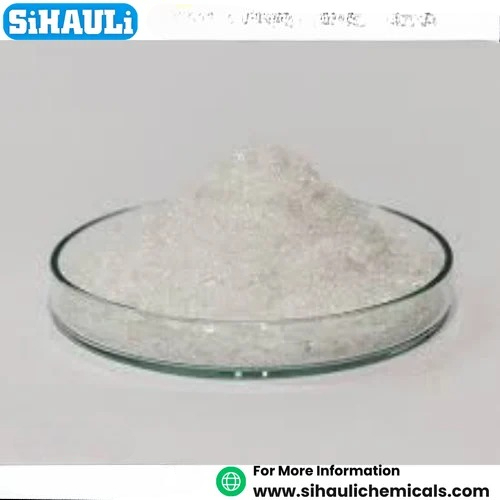
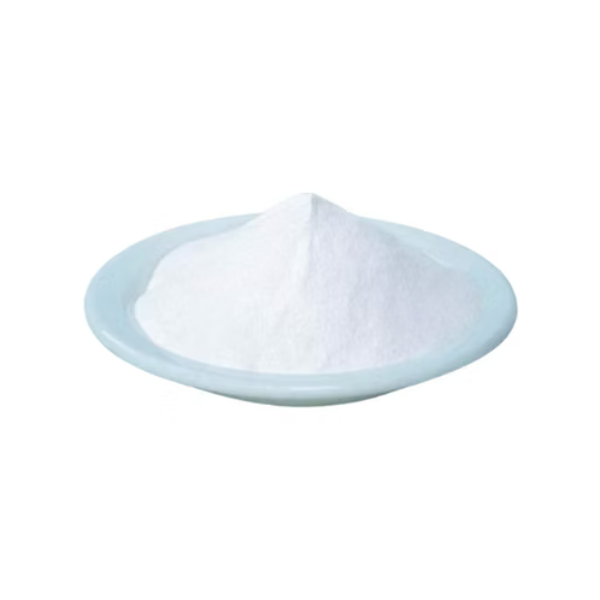
Lead Acetate is an inorganic compound that is used in various applications, including manufacturing, dyeing, and as a reagent in laboratories. It appears as a white crystalline substance and is highly soluble in water.Key Applications and VersatilityLead Acetate is valued for its multifunctionality, serving as a vital reagent in chemical laboratories, an important component in textile dyeing and pigment production, a drier in the paint and varnish industry, and a traditional additive in certain hair coloring products. Its high solubility and reliable analytical grade make it widely adopted across industrial, cosmetic, and research sectors.
Safety, Stability, and StorageWhile Lead Acetate is stable under ordinary conditions, it may darken when exposed to air. It is highly toxic and classified as hazardous, so stringent safety and storage protocols are essential. Store in tightly sealed containers in cool, dry environments, away from incompatible substances like strong acids or oxidizers, to maintain a shelf life of up to 2 years.
FAQ's of Lead Acetate ( Lead diacetate, Sugar of lead):
Q: How is Lead Acetate manufactured?
A: Lead Acetate is produced by the chemical reaction between lead oxide and acetic acid. This process yields white crystalline trihydrate that is then purified to meet analytical and laboratory grade standards.
Q: What are the recommended storage conditions for Lead Acetate?
A: It should be stored in tightly closed, chemical-resistant containers in a cool, dry place, away from strong acids, oxidizers, and exposure to air to prevent darkening and maintain purity.
Q: When should first aid be administered for Lead Acetate exposure?
A: If Lead Acetate comes into contact with skin or eyes, immediately flush the affected area with plenty of water. Seek medical attention as necessary, especially if swallowed or inhaled, due to its toxic nature.
Q: Where is Lead Acetate commonly used?
A: This compound finds extensive use in laboratories for analytical testing, as a mordant in textile dyeing, a drier in the paint and varnish industry, and historically in hair coloring products.
Q: What precautions should be taken when handling Lead Acetate?
A: Wear suitable protective equipment, avoid ingestion or inhalation, and use the product in a well-ventilated area. Follow all safety data sheet instructions due to its toxicity and hazard classification (H302, H332, H360).
Q: How does Lead Acetate benefit industrial processes?
A: Its excellent solubility, consistent purity, and function as an effective reagent enhance processes such as textile dye fixation, pigment formulation, and controlled drying in paints and varnishes.





 Send Inquiry

