
SIHAULI CHEMICALS PVT. LTD.
GST : 27ABICS7764B1Z3

Call us
08045803089
Call us
08045803089
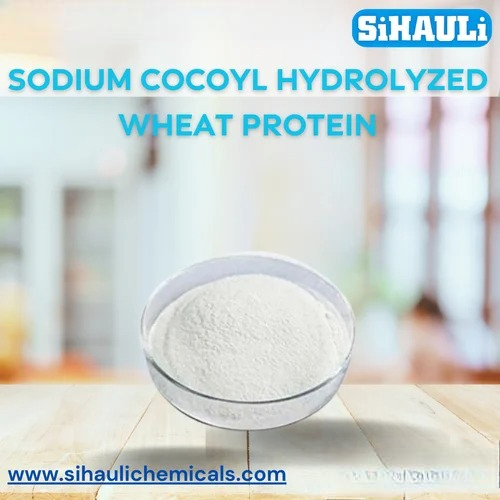

Sihauli Chemicals is one of the leading Hydrolyzed wheat proteins Manufacturer and Exporter form India. Sihauli Chemicals Supply Hydrolyzed wheat proteins to Asia, Africa, Europe, North & South America and Oceania.
Our Global Presense:
Asia: Bangladesh, Burma (Myanmar), China, Hong Kong (UK), Indonesia, Iran, Israel, Japan, Jordan, Kampuchea (Cambodia), Kuwait, Laos, Lebanon, Macao (Portuguese), Malaysia, Maldives, Mongolia, Nepal, Oman, Philippines, Qatar, Saudi Arabia, Singapore, South Korea, Sri Lanka, Taiwan, Thailand, Turkey, United Arab Emirates, Vietnam.
Europe: Albania, Andorra, Austria, Belgium, Bulgaria, Cyprus, Czechoslovakia, Denmark, Finland, France, German Democratic Republic, Gibraltar, Greece, Hungary, Iceland, Ireland, Italy, Liechtenstein, Luxembourg, Malta, Monaco, Netherlands, Norway, Poland, Portugal, Romania, San Marino, Spain, Sweden, Switzerland, United Kingdom, U.S.S.R., Yugoslavia. Africa: Algeria, Angola, Egypt, Ethiopia, Gabon, Ghana, Kenya, Liberia, Libya, Madagascar, Mauritius, Morocco, Mozambique, Namibia, Nigeria, Reunion (France), Seychelles, Somalia, South Africa, Sudan, Tanzania, Tunisia, Uganda, Zambia, Zimbabwe.
North America: Bahamas, Barbados, Bermuda, British Virgin Islands, Canada, Costa Rica, Cuba, Dominica, El Salvador, Greenland (Denmark), Grenada, Guatemala, Haiti, Honduras, Jamaica, Martinique, Mexico, Montserrat, Nicaragua, Panama, Puerto Rico (USA), St. Vincent & the Grenadines, Trinidad & Tobago, USA, Virgin Islands.
South America: Argentina, Bolivia, Brazil, Chile, Colombia, Ecuador, French Guiana, Guyana, Paraguay, Peru, Venezuela.
Oceania: Australia, New Zealand, Solomon Islands, Wallis & Futuna Islands (France).

Price:
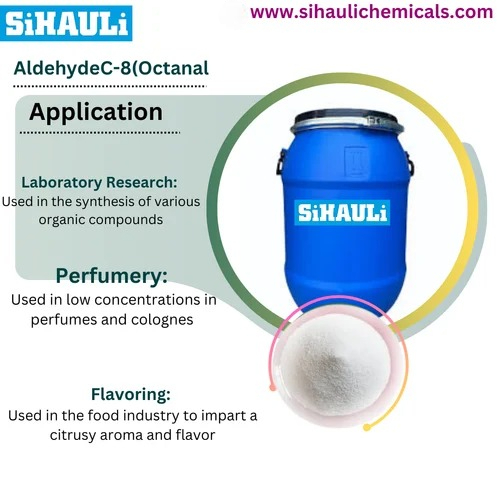
Price 3111 INR / Kilograms
Minimum Order Quantity : 50 Kilograms
Grade : Industrial/Fragrance Grade
Usage : Used as raw material in fragrances and flavors
Appearance : Clear to slightly yellow
Solubility : Insoluble in water; soluble in alcohol and oils
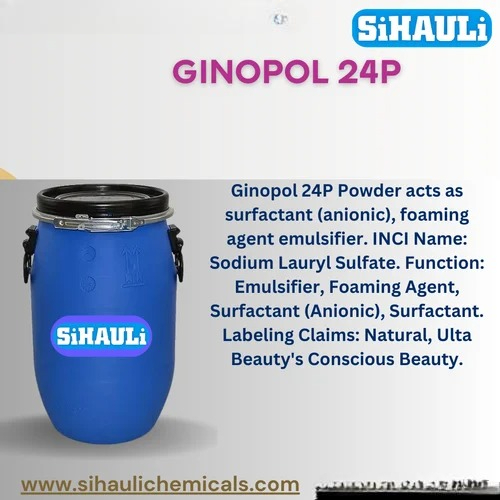
Price 165 INR / Kilograms
Minimum Order Quantity : 50 Kilograms
Grade : Industrial Grade
Usage : Used as surfactant or emulsifier in various formulations
Appearance : Clear to Slightly Hazy Liquid
Solubility : Soluble in Water
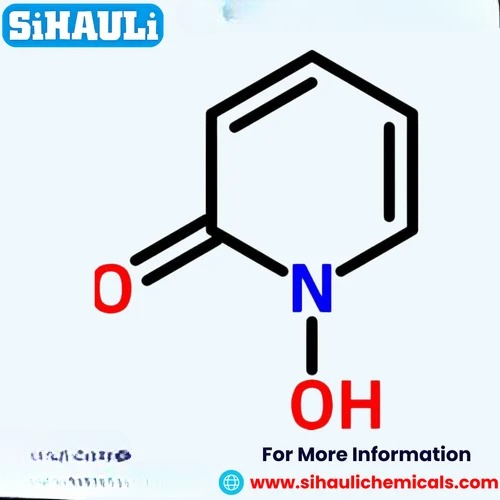
Price 531 INR / Kilograms
Minimum Order Quantity : 50 Kilograms
Grade : Analytical/Pharmaceutical Grade
Usage : Intermediate for synthesis, chelating agent, R&D use
Appearance : White to offwhite solid
Solubility : Freely soluble in water, soluble in polar organic solvents
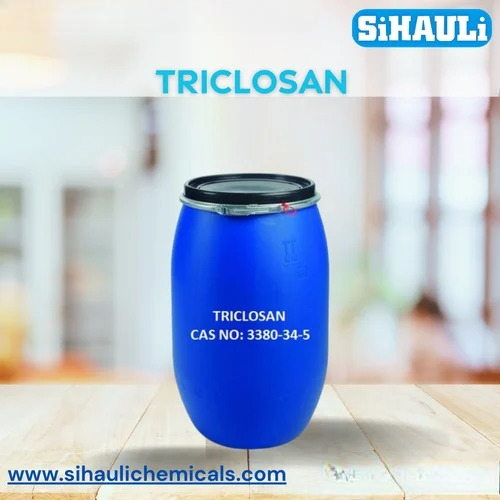
Price 2200 INR / Kilograms
Minimum Order Quantity : 50 Kilograms
Grade : Industrial / Pharmaceutical Grade
Usage : As antimicrobial preservative in various formulations
Appearance : White to offwhite powder
Solubility : Slightly soluble in water; soluble in ethanol and acetone

 Send Inquiry


