Mpdiol Glycol (MPD) About
MPDiol Glycol (2-methyl-1,3-propanediol) is a colorless, low viscosity liquid with a unique molecular structure. It is a branched asymmetric aliphatic diol. This structure inhibits the crystallization of MPDiol Glycol allowing it to remain liquid even in cold temperatures.Key Product AdvantagesMPdiol Glycol's unique chemical structure offers low toxicity, excellent water solubility, and stability, making it highly suited for the production of durable polyester resins and polyurethanes. Its high purity and neutral pH level also contribute to consistent processing and end-product quality.
Applications Across IndustriesMPD is essential in manufacturing various industrial products such as lubricants, plasticizers, and specialty resins. Its compatibility with other chemicals and high performance at extreme temperatures enables its use in advanced formulations for flexible and rigid polymers.
FAQ's of Mpdiol Glycol (MPD):
Q: How is Mpdiol Glycol (MPD) typically used in industrial applications?
A: MPD serves as a crucial raw material in the production of polyester resins, polyurethanes, lubricants, and plasticizers. Its chemical stability and versatility make it valuable for resin and polymer synthesis in various manufacturing processes.
Q: What are the benefits of choosing MPD over other glycols?
A: MPD offers several advantages, including a low freezing point (below -54C), high purity (99% min), water solubility, and a neutral pH. These features ensure reliable performance in extreme conditions and stable end-product quality across different industrial applications.
Q: When and how should MPD be stored to maintain its stability?
A: MPD should be kept in tightly closed containers, stored away from heat sources. Under normal storage conditions, it remains stable and does not decompose, ensuring a long shelf life and safe handling.
Q: Where does MPD show optimal solubility and compatibility?
A: MPD is fully soluble in water, making it compatible with a broad range of aqueous and non-aqueous systems, particularly valuable in resin and polymer formulations for coatings, adhesives, and other industrial products.
Q: What is the process for packaging and transporting MPD?
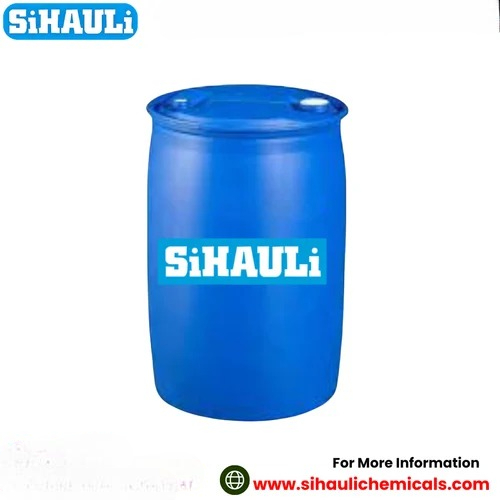
A: MPD is typically packaged in 225 kg drums that meet manufacturer and international transport standards. Its non-toxic and non-poisonous profile enhances handling safety for exporters, importers, and suppliers.
Q: Can MPD be safely used and handled by operators in industrial settings?
A: Yes, MPD is considered non-toxic, practically odorless, neutral in pH, and it poses minimal health risks when proper industrial hygiene practices are followed. Personal protective equipment is recommended during handling to prevent direct contact.





 Send Inquiry

