About Octyl Methoxycinnamate (OMC)
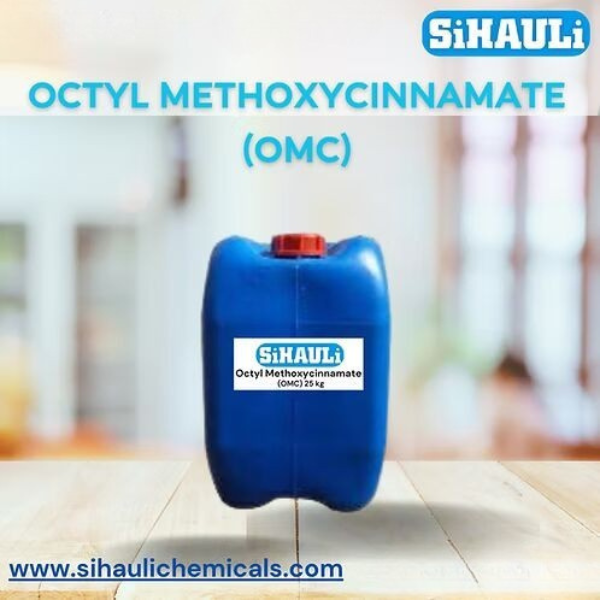
Octyl methoxycinnamate (OMC)
OMC is obtained from cinnamic acid, which is found in the cinnamon plant. Its made by mixing sulfuric acid with methanol, a petroleum by-product.
Chemical formula C18H26O3
Molar mass 290.403 gmol1
Melting point 25 C (13 F; 248 K)
Boiling point 198 to 200 C (388 to 392 F; 471 to 473 K)
HS Code 29163990
Technical Analysis
Specification Typical Values
Moleculer formula C18H26O3
Colour (APHA) white powder
CAS NO. 5466-77-3
IUPAC Name (RS)-2-Ethylhexyl (2E)-3-(4-methoxyphenyl)prop-2-enoate
Octyl methoxycinnamate (OMC) is an organic compound that's used as an ingredient in some sunscreens and lip balms. It's also known as ethylhexyl methoxycinnamate or octinoxate, and its trade names are Eusolex 2292 and Uvinul MC80.
Key Properties and BenefitsOctyl Methoxycinnamate is favored for its ability to filter ultraviolet rays, particularly UVB, which are harmful to human skin. Its high melting and boiling points make it suitable for stable formulations in cosmetics. This compound ensures efficient UV protection without compromising the sensory attributes of personal care products, and its powder form allows for easy dispersion and formulation.
Production and Sourcing in IndiaProduced from cinnamic acid, OMC is synthesized via esterification with methanol in an acidic medium, making it a refinery by-product. India stands as a leading location for manufacturers, exporters, and suppliers of OMC, providing global distribution for technical and cosmetic-grade applications. Stakeholders benefit from a well-established supply chain and attractive export opportunities.
FAQ's of Octyl Methoxycinnamate (OMC):
Q: How is Octyl Methoxycinnamate (OMC) produced?
A: OMC is produced by esterifying cinnamic acid, sourced from cinnamon plants, with methanol in the presence of sulfuric acid. This chemical synthesis results in a UV-absorbing compound used in various industries.
Q: What is the primary use of Octyl Methoxycinnamate in industries?
A: OMC's main application is as a UV filter in sunscreens, lotions, and other personal care products to protect the skin from harmful UVB rays. Its powder form allows for easy incorporation into cosmetic formulations.
Q: When should products containing OMC be used?
A: Products containing OMC are most beneficial when applied before sun exposure, as they help protect skin from UVB radiation, reducing the risk of sunburn and long-term sun damage.
Q: Where is Octyl Methoxycinnamate typically manufactured and supplied from?
A: OMC is extensively manufactured and supplied by exporters, importers, and manufacturers in India, benefiting from robust chemical processing facilities and a strong export network.
Q: What are the physical and chemical properties of OMC?
A: OMC appears as a powder, with a chemical formula of C18H26O3, a molar mass of 290.403 g/mol, a melting point at 25C, and a boiling range of 198-200C, making it stable under normal storage conditions.
Q: How does using OMC benefit cosmetic formulations?
A: Incorporating OMC in cosmetic products enhances their ability to absorb UVB rays, thus protecting the skin, while the powder form ensures a smooth texture and easy blending with other ingredients.
Q: What is the HS Code for Octyl Methoxycinnamate, and why is it important?
A: The HS Code for OMC is 29163990, which is vital for international trade, ensuring standardized classification and facilitating smooth export and import processes.





 Send Inquiry

