About Potassium Sorbate (E202 Sorbistat-K Sorbistat Potassium)
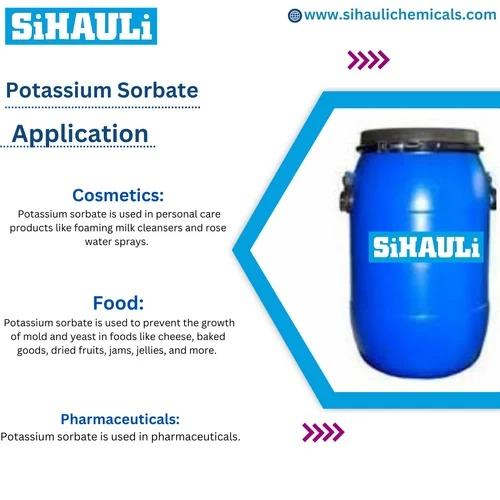
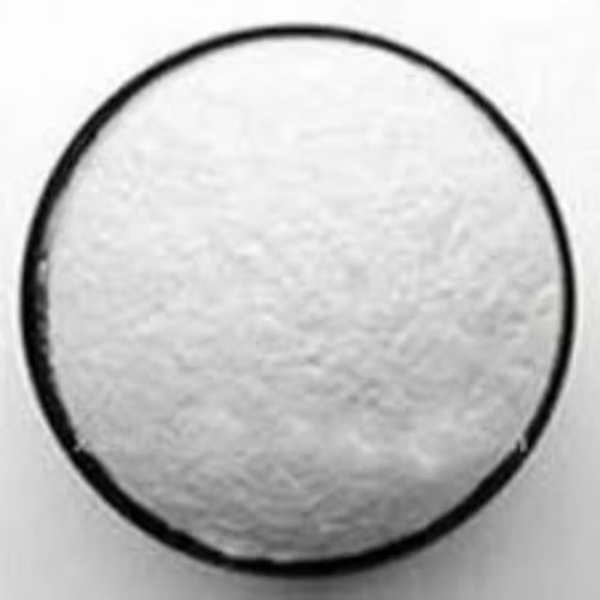
Potassium sorbate is a chemical additive. It's widely used as a preservative in foods, drinks, and personal care products. It is an odorless and tasteless salt synthetically produced from sorbic acid and potassium hydroxide.Versatile Applications across IndustriesPotassium Sorbate is indispensable in various sectors, including food and beverage manufacturing, dairy, bakery, cosmetics, pharmaceuticals, and wine production. Its primary purpose is to control microbial growth, ensuring product safety and prolonged freshness. Due to its compatibility with most food ingredients and effectiveness in broad pH ranges, manufacturers favor it for clean-label, allergen-free, and preservative needs.
Safe, Stable, and Easy to UseWith a high purity assay and minimal insoluble content, Potassium Sorbate integrates effortlessly into processing lines. It is odorless, nearly tasteless, and maintains its efficacy under recommended storage conditions for two years. Regulatory approvals affirm its widespread acceptance, and it meets major international food standards, including FCC and E202.
FAQ's of Potassium Sorbate (E202 Sorbistat-K Sorbistat Potassium):
Q: How is Potassium Sorbate commonly used as a preservative?
A: Potassium Sorbate is dissolved in water or ethanol before being added to foods, beverages, cosmetics, or pharmaceuticals. Its main function is to inhibit the growth of mold, yeast, and bacteria, effectively extending the shelf life and safety of various products.
Q: What benefits does Potassium Sorbate offer for food and beverage products?
A: By suppressing microbial growth, Potassium Sorbate preserves the freshness, taste, and nutritional value of products without altering their flavor or aroma. It is highly soluble, effective across a wide pH range, and compatible with most food ingredients, enabling manufacturers to produce clean-label, allergen-free, and long-lasting goods.
Q: When should Potassium Sorbate be added during the manufacturing process?
A: For best results, Potassium Sorbate should be added after the primary processing steps and before final packaging. This prevents post-processing contamination and ensures even distribution throughout the product matrix.
Q: Where is Potassium Sorbate typically stored and how should it be handled?
A: It should be kept in tightly sealed containers in a cool, dry location, shielded from light and moisture. Proper storage preserves its quality for up to two years, minimizing the risk of degradation.
Q: What is the process for testing Potassium Sorbate quality and purity?
A: Quality is verified by checking physical appearance, assay percent (99.0-101.0%), moisture content (1.0%), pH, solubility, heavy metals, arsenic, and insoluble matter. Products are also tested for allergen and GMO status, conforming to recognized standards such as FCC, BP/USP, and E202.
Q: Is Potassium Sorbate suitable for special dietary requirements or sensitive consumers?
A: Yes, it is allergen-free, non-GMO, and non-poisonous at recommended levels, making it suitable for use in products designed for individuals with dietary restrictions or sensitivities.
Q: What regulatory approvals does Potassium Sorbate carry?
A: Potassium Sorbate is authorized for use as a food additive internationally, with approvals from the European Union (E202), the USA (GRAS status), and Codex Alimentarius. It complies with stringent food safety and quality standards.





 Send Inquiry

